🌱 The Spring Lawn Reset: How to Prepare Your Yard for a Season of Growth (Without Overcomplicating It)
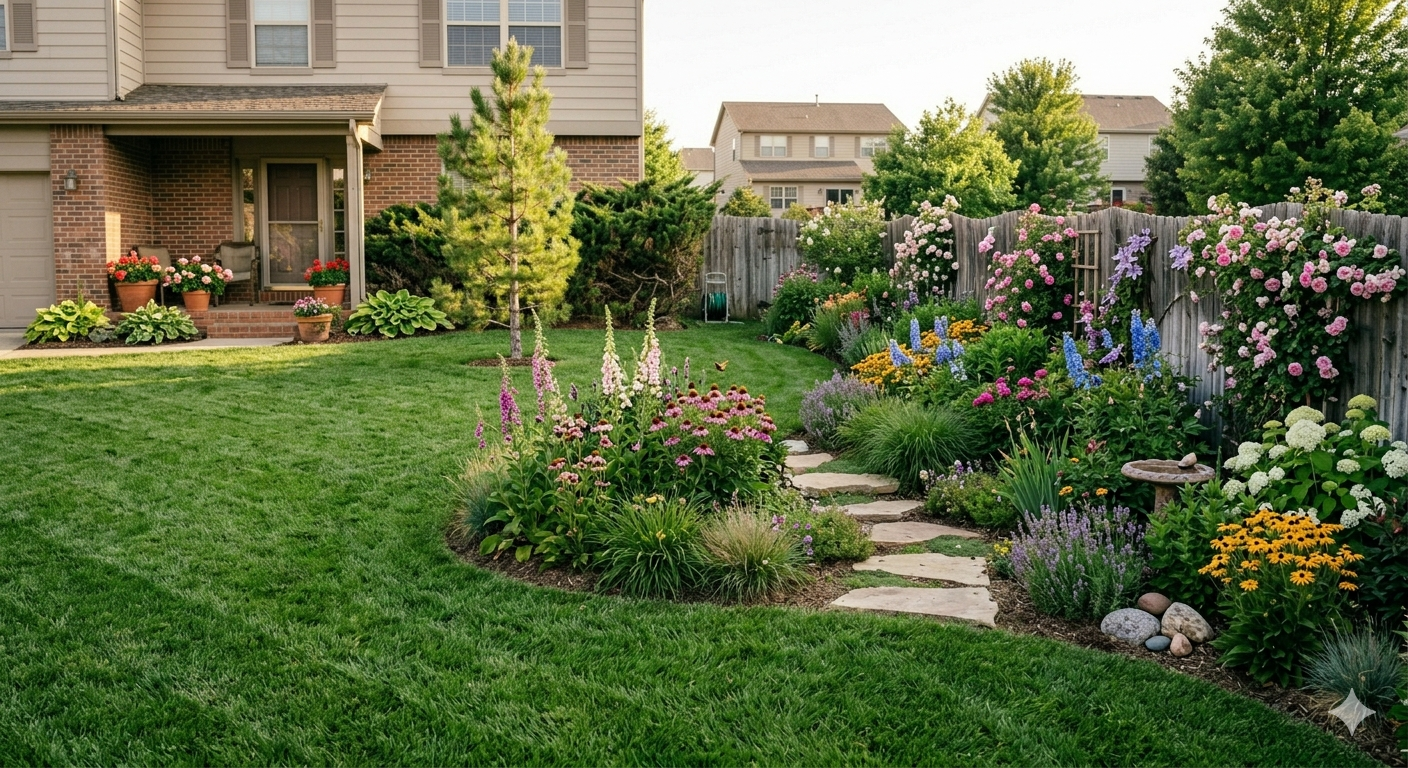
🌱 Introduction 🌱
Spring hits, and suddenly everyone notices their lawn again.
What looked “fine” all winter now feels patchy, dull, or just… off.
Most people respond in one of two ways.
They either ignore it and hope it fixes itself, or they try to do everything at once and get overwhelmed.
There’s a better approach.
This guide is about doing the right things, in the right order, without turning lawn care into a full-time job.
Start With What You Actually Have
Before buying products or making plans, go outside.
Walk your lawn slowly.
Look at it like it’s your first time seeing it.
Where is the grass thin?
Where does it look compacted or dry?
Are there early weeds already showing?
Is water pooling anywhere?
Most lawn problems don’t come from lack of effort.
They come from treating the wrong issue.
Why Spring Preparation Matters More Than You Think
Spring is not just another season.
It’s your foundation.
What you do now affects everything—growth, color, thickness, and resilience.
A well-prepared lawn in spring needs less fixing later.
A neglected one turns into a constant project.
Think of spring as setting the tone, not playing catch-up.
Clean First (It’s Not Optional)
Before anything else, clear your lawn.
Leaves, sticks, and dead grass don’t just look messy.
They block sunlight and trap moisture.
That creates the perfect environment for mold and disease.
Use a rake or blower and remove everything sitting on top of the soil.
Focus on areas where grass looks flattened or stuck together.
This step alone can completely change how your lawn responds to everything else.
The Questions You Should Be Asking Right Now
If you’re unsure where to start, you’re not alone.
These are the most common questions homeowners have in early spring:
- Why does my lawn still look brown?
- When should I mow for the first time?
- How much water is too much?
- Should I fertilize right away?
- How do I fix dead patches?
- Do I really need to aerate?
- How do I stop weeds before they take over?
We’re answering all of these as we go.
Mowing: Your First Real Decision
The first time you mow sets the tone for the season.
Cut too early, and you stress the grass.
Cut too short, and you weaken it.
Wait until your lawn is actively growing.
Then mow with intention.
Never remove more than one-third of the grass height.
Taller grass supports deeper roots.
Deeper roots support long-term health.
Why Cutting Too Short Backfires
Short grass looks clean—for about two days.
Then problems start.
The soil dries out faster.
Weeds get more sunlight.
Roots stay shallow.
This creates a cycle where your lawn depends on constant attention.
Let your grass stay slightly taller.
It’s one of the easiest ways to improve your lawn without extra work.
Watering: Less Often, More Effectively
Watering seems simple.
It’s not.
Most people water too often and too lightly.
That keeps moisture near the surface.
Roots stay shallow because they don’t need to grow deeper.
Instead, water deeply a few times per week.
Let the soil absorb it fully.
Then allow it to dry slightly before watering again.
This trains your lawn to become more resilient.
How to Tell If You’re Watering Correctly
Your lawn gives you signals.
You just have to notice them.
If water pools on the surface, your soil may be compacted.
If grass feels dry shortly
after watering, it’s not reaching deep enough.
If your lawn looks weak despite frequent watering, you’re likely overdoing it.
Healthy watering is about depth, not frequency.
Fertilizer: Timing Matters More Than Type
Fertilizer isn’t a magic fix.
It’s a support system.
If your lawn isn’t ready, fertilizer won’t help.
It might even cause stress.
In early spring, your goal is light support.
Wait until your grass is actively growing.
Then apply a balanced fertilizer.
Avoid the temptation to “double up” for faster results.
That usually leads to damage, not improvement.
Soil Health: The Part No One Talks About Enough
Your grass is only as healthy as your soil.
If the soil is compacted, dry, or lacking nutrients, grass struggles.
Even if everything above ground looks fine.
Take a moment to feel your soil.
Is it soft or hard?
Does water soak in or run off?
Healthy soil allows roots to grow freely.
And roots are everything.
Aeration: Let Your Lawn Breathe Again
If your soil feels hard, your lawn can’t function properly.
Air, water, and nutrients struggle to reach the roots.
Aeration solves this.
It creates small holes in the soil.
These openings allow your lawn to breathe and absorb what it needs.
If your lawn has high traffic or feels compacted, this step is essential.
Bare Spots: Fix Them Before They Spread
Bare spots don’t stay contained.
They grow.
And they invite weeds.
Fixing them early saves you time later.
Loosen the soil in the area.
Add grass seed.
Cover lightly with soil.
Water consistently.
That’s it.
Spring is the best time because conditions support new growth.
Overseeding: The Shortcut to a Fuller Lawn
If your lawn looks thin, overseeding helps.
It’s simply adding new seed over existing grass.
This fills in gaps and improves density.
A thicker lawn naturally blocks weeds.
It also looks healthier without needing extra maintenance.
Overseeding works best after aeration.
The seeds have better contact with the soil.
Weeds: The Earlier You Act, the Easier It Gets
Weeds don’t wait for you to notice them.
They start growing as soon as conditions allow.
If you act early, they’re easy to manage.
If you wait, they spread quickly.
You don’t need perfection.
You need consistency.
Remove weeds when they’re small.
Prevent them when possible.
That’s how you stay ahead.
Temperature Matters More Than the Calendar
Spring doesn’t start on a specific date.
It starts when your soil warms up.
Your grass responds to temperature, not the calendar.
If it’s still cold, your lawn isn’t ready.
If it’s warming consistently, growth begins.
Pay attention to your environment.
That’s more reliable than any schedule.
Go Step by Step (Not All at Once)
Trying to do everything in one weekend usually leads to mistakes.
Or burnout.
Break your lawn care into phases.
Start with cleaning and observation.
Then move into mowing and watering.
After that, address soil and growth.
This approach keeps things manageable.
And it actually works better.
A Simple Spring Lawn Plan You Can Follow
You don’t need a complicated system.
You need a clear one.
Week 1:
Clean debris and assess your lawn.
Week 2:
Begin mowing and adjust watering habits.
Week 3:
Fix bare spots and monitor growth.
Week 4:
Apply light fertilizer if needed.
From there, maintain consistency.
Common Mistakes That Hold Lawns Back
Most lawn issues come from simple habits.
Not complex problems.
The most common ones:
Cutting grass too short.
Watering too frequently.
Ignoring soil conditions.
Waiting too long to act.
Expecting instant results.
Fix these, and your lawn improves naturally.
What Progress Actually Looks Like
Your lawn won’t transform overnight.
That’s normal.
Progress looks like:
More even growth.
Fewer bare spots.
Better color consistency.
Stronger resistance to stress.
Small improvements add up.
What a Healthy Lawn Really Means
A healthy lawn is not perfect.
It’s stable.
It grows evenly.
It recovers from heat and stress.
It doesn’t require constant fixing.
That’s the goal.
Not perfection—consistency.
A Weekly Routine That Keeps Things Simple
Keep it manageable.
That’s how you stay consistent.
Each week:
Mow at the right height.
Check for weeds.
Walk your lawn.
Every 1–2 weeks:
Water deeply.
As needed:
Address problem areas early.
That’s enough.
The Mindset Shift That Changes Everything
Lawn care is not about doing more.
It’s about doing the right things consistently.
You don’t need to chase perfection.
You need to build habits.
Once you understand your lawn, everything becomes easier.
Final Thoughts
Your lawn is a reflection of small, repeated actions.
Not one big effort.
Start simple.
Stay consistent.
Pay attention.
That’s how you build a lawn you’re actually proud of.
Quick Recap (Save This Section)
- Clean your lawn first
- Observe before acting
- Mow at the right height
- Water deeply, not daily
- Fertilize lightly and intentionally
- Fix bare spots early
- Stay consistent
That’s your foundation.
One Last Question
When you step outside this spring…
Are you reacting to your lawn, or actually taking control of it?
Now you know how to do both.
One Response
Hi, this is a comment.
To get started with moderating, editing, and deleting comments, please visit the Comments screen in the dashboard.
Commenter avatars come from Gravatar.